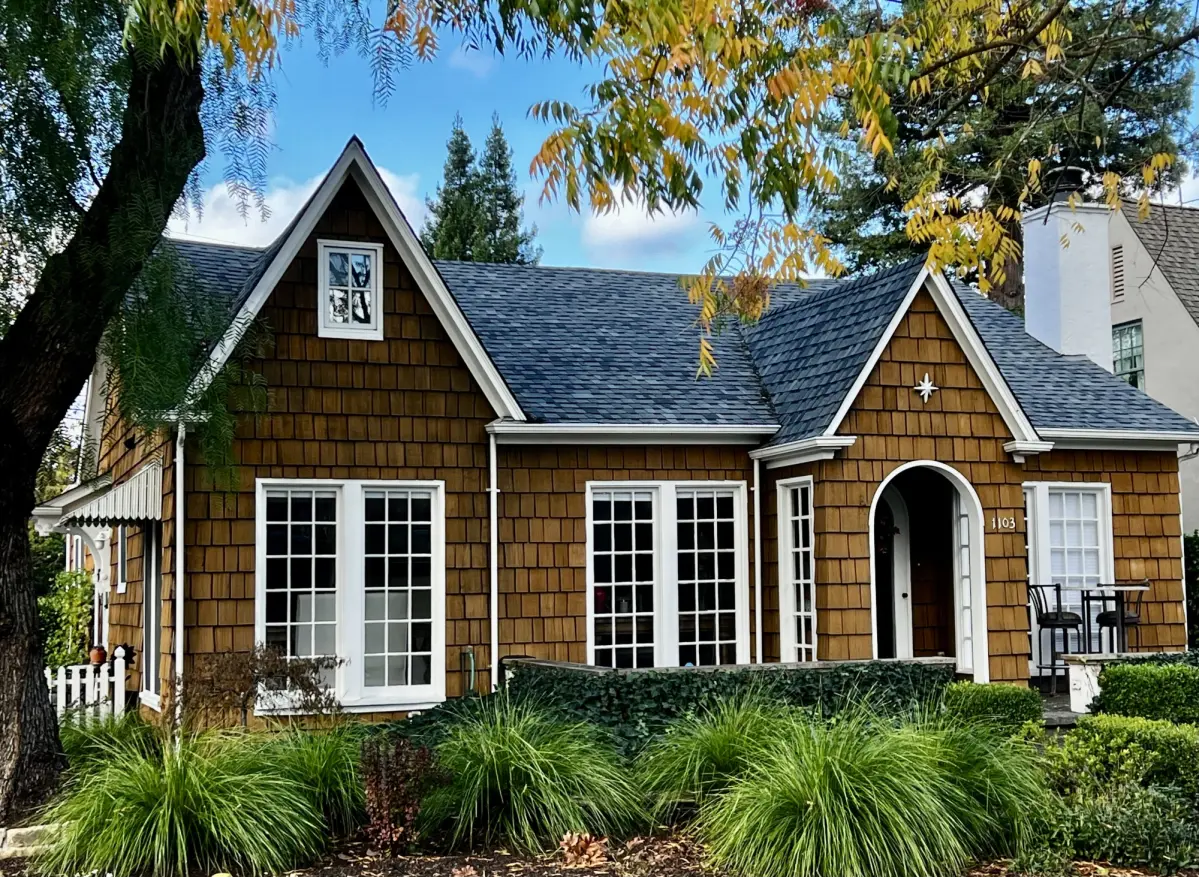
McDonald Historic District
Located in Santa Rosa, California, is a highly sought-after neighborhood known for its stately, tree-lined streets and immaculately preserved architecture.
Exploring this historic enclave offers a unique glimpse into the late 19th-century boom of California's North Bay.
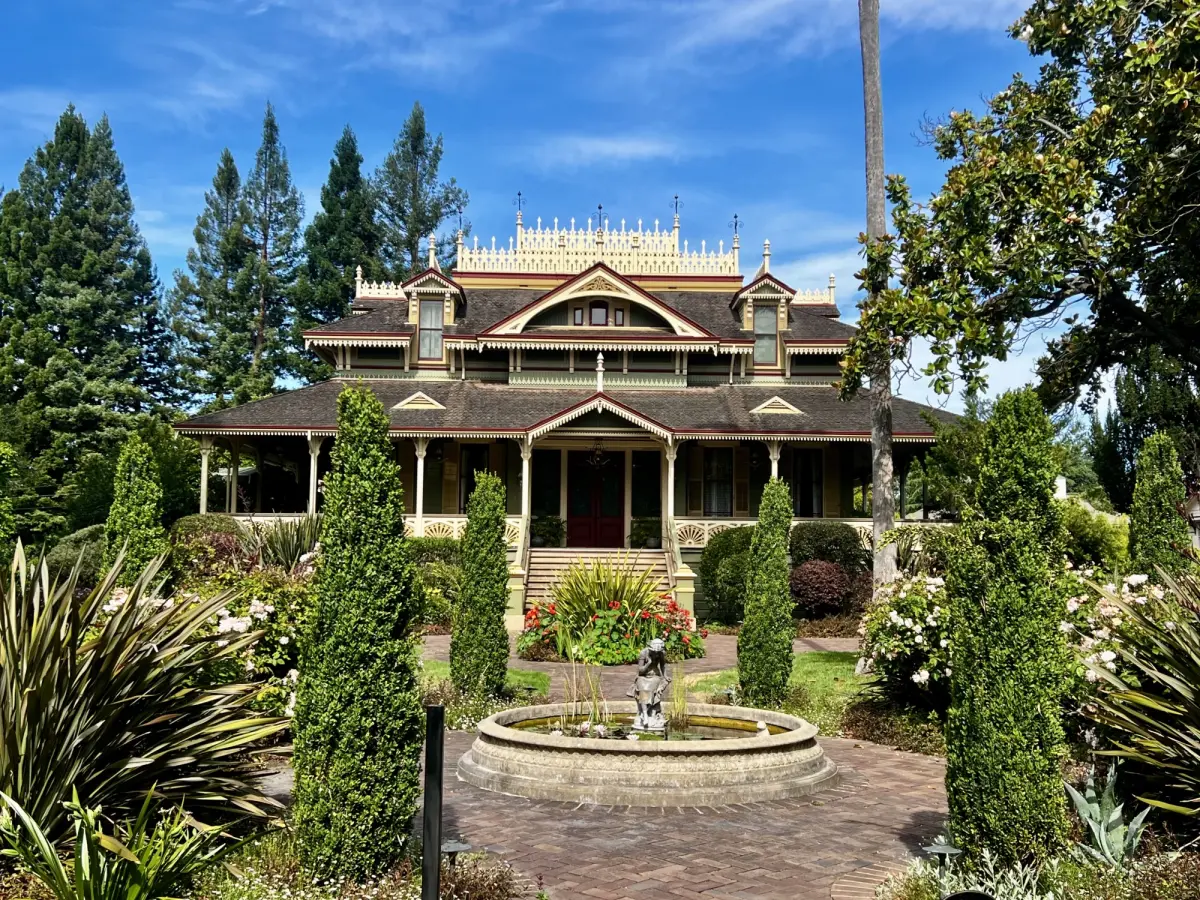
Did You Know?
Most of the district was built between 1878 and 1940, so many of the earliest homes predate widespread automobile ownership. That's one reason garages often sit behind the house or were added later.
Unlike modern subdivisions built from a handful of floor plans, the district contains more than a dozen architectural styles, including Queen Anne, Craftsman, Prairie School, Tudor Revival, Mediterranean Revival, Colonial Revival, Italianate, and Bungalow. Walking the neighborhood is almost like touring an outdoor architecture museum.
One reason the neighborhood became so desirable is that wealthy merchants and professionals could easily walk into downtown Santa Rosa while enjoying larger lots and tree-lined streets. That convenience remains one of its strongest attractions today.
The canopy of established trees contributes as much to the neighborhood's appeal as the homes themselves, creating shaded streets that change dramatically with the seasons.
The McDonald Avenue Preservation District was officially designated in 1998, helping preserve the architectural character that makes it one of Santa Rosa's most recognizable neighborhoods. Exterior changes to historically significant homes may require additional review.
Many buyers specifically search for original millwork, stained glass, wraparound porches, pocket doors, and period craftsmanship that simply cannot be replicated economically today.
Colonel Mark L. McDonald played a major role in the neighborhood's development, but modern historians have uncovered a far more complex story than the traditional local legend suggests.
Ask Santa Rosa residents where to take an evening stroll, and the McDonald Historic District is almost always one of the first recommendations because of its beautiful homes, mature landscaping, and peaceful streets
An Appraiser's Eye
One thing I've learned as a former real estate appraiser is that buyers don't simply pay for square footage here.
Original craftsmanship, architectural integrity, and thoughtful restoration often influence value as much as the home's size.